Acute Mountain Sickness (AMS)
AMS is the most common and mildest form of altitude sickness. Symptoms begin within hours of arrival at high elevation and are usually manageable with rest, hydration and gradual acclimatisation.
Prepare for the peaks, stay safe at high altitudes with altitude sickness medication and expert support provided at Batley Pharmacy!
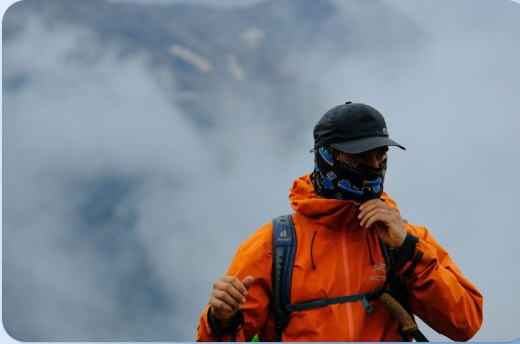
Altitude sickness is a condition caused by reduced oxygen levels when you ascend to high altitude, usually above 3000 metres, too quickly. As you go higher, oxygen concentration in the air decreases, without giving the body enough time to adapt.
Altitude sickness has three distinct conditions, each varying in severity:
AMS is the most common and mildest form of altitude sickness. Symptoms begin within hours of arrival at high elevation and are usually manageable with rest, hydration and gradual acclimatisation.
HAPE is a serious condition leading to the buildup of fluid in the lungs. It causes severe breathlessness and a persistent cough (accompanied by frothy or blood-tinged sputum), which requires immediate medical attention.
HACE is the most severe form of altitude sickness that causes swelling in the brain. It is characterised by loss of coordination, confusion, hallucinations and in advanced cases, coma. Emergency treatment is needed to prevent fatal outcomes.
Common altitude sickness symptoms include:
We recommend booking an appointment earlier to allow time for pre-travel assessments and ensure vaccine availability. Book online or visit us for a personalised consultation.
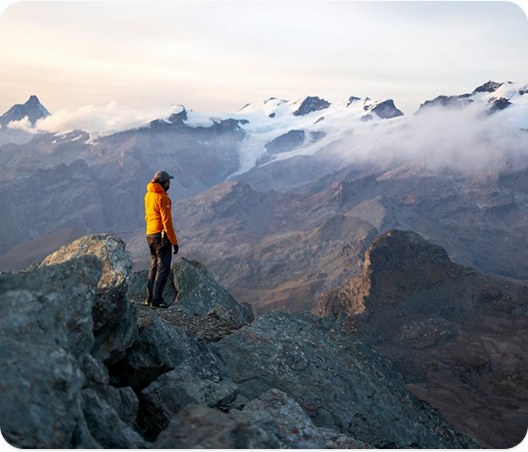
The risk of altitude sickness is for individuals rapidly ascending to altitudes of 3000 metres and above. However, you may be more susceptible if you:
Reduce your risk of illness by planning with the right advice and medications offered at Batley Pharmacy.
There are many altitude sickness treatment options, including;
This is a widely used medication that helps you adjust faster by balancing oxygen levels in your body. It is typically taken before and during ascent.
These are taken to prevent or manage gastrointestinal symptoms, such as vomiting.
Our expert team can guide you on supportive therapies, hydration sachets or electrolyte powders while you're on the journey.
Need help choosing the best tablets for altitude sickness? Our pharmacists will assess your health profile and travel plans to guide you. Book your altitude sickness medication today!
For maximum effectiveness, medication for altitude sickness should begin 1-2 days before your ascent and continue during your time at altitude.
Consult us at least 2–3 weeks before your trip.
We provide tailored guidance for how to prevent altitude sickness.
Ideally, do not ascend more than 300-500 metres per day and incorporate rest days for every 600-900 metres.
Dehydration can worsen symptoms. Drink plenty of fluids, especially water and oral rehydration solutions.
Rest for the first 24 to 48 hours after reaching a new altitude and limit strenuous exercise.
Before ascending higher, spend a few days at a moderate altitude. This gives your body time to adjust.
Choose easily digestible meals to support energy levels and avoid heavy meals during the initial days.
Be aware of common symptoms, and if they occur, stop ascending and rest to prevent them from worsening.